2 hours ago
Latest Updates
Featured Posts
Get in Touch
Location:
123 Innovation Street
Tech District, CA 94105
123 Innovation Street
Tech District, CA 94105
Email:
[email protected]
[email protected]
Phone:
+1 (234) 567-890
+1 (234) 567-890
Succulent Kebabs, Aromatic Biryani and a World More: A Historic Indian City Secures a Place on the UNESCO Culinary List.
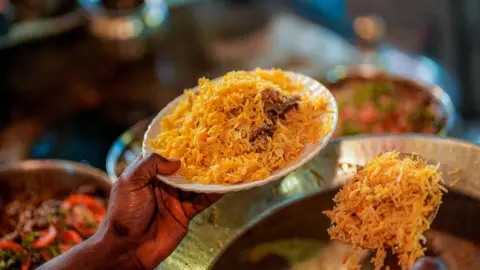
Tempting kebabs, scented biryani, and airy, cloud-like desserts.
The historic city in northern India of Lucknow has consistently been a haven for gastronomes, with locals and travelers equally swearing by its superb cuisine.
A Global Honor
In a recent announcement, UNESCO honored it as a UNESCO Creative City for Gastronomy – adding it to a exclusive group of international urban centers and kindling hopes that it will highlight Lucknow's exceptional food. With this status, it becomes part of a international community of more than four hundred urban centers across more than 100 countries dedicated to promoting "artistic expression as a catalyst of city development that is sustainable".
The honor "is a testament to its profound gastronomic legacy and vibrant culinary scene," according to a representative from Unesco's Regional Office for South Asia.
Lucknow is only the second Indian city – after Hyderabad, which was selected in 2019 – to find a place in this highly sought-after list of 70 cities worldwide.
A City Defined by Food
The accolade for this historic city comes as no surprise to its locals or dedicated food lovers. Many echo the view that it is "a recognition that was delayed".
With the UNESCO designation, this beloved, bustling, and vibrant city – the capital of India's most populous state – is finally in the spotlight for what has always characterized its heart: an unparalleled passion for food.
"'The day's menu, how will it be cooked' is a ongoing conversation from morning until night in many homes," notes a local cultural expert. "And you are truly judged by the standard of food that comes out of your kitchen."
A Royal Culinary Legacy
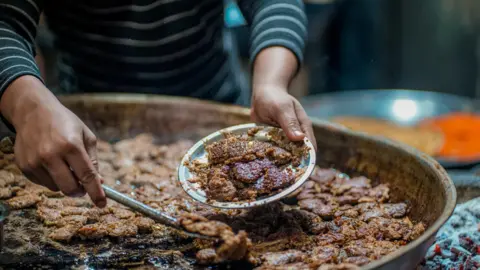
The City of Nawabs – as it's popularly called after its historic affluent Muslim rulers – is renowned for its succulent kebabs and a unique take on biryani that were conceived, evolved, and taken to extraordinary levels in their royal kitchens.
These kitchens of the nobility were hubs of gastronomic creativity, fusing Persian and indigenous Indian styles to create what became known as the culinary tradition of Awadh.
It was in this era that Lucknow's iconic kebabs were fashioned. As the tale is told that the mutton galouti was invented to cater to an ageing nawab who had lost his teeth. His culinary artists processed the meat with raw papaya, kesar, and spices and made it so fine that it required no chewing.
But perhaps the most significant contribution of the cooks of Awadh was the slow-cook Dum pukht technique, where food is prepared on a gentle, slow heat, with the pot's lid securely sealed with a flour paste.
More Than Just Famous Dishes
Apart from the famous kebabs and biryani, the culinary masters also created a vast array of dishes that included kormas (rich curries), sheermal (saffron-infused flatbread), and shahi tukda (a rich bread pudding).
However, Lucknow is not just about kebabs and biryani – the region is additionally a vegetarian's paradise.
The local traditionally vegetarian community's cuisine not only showcases fresh harvests but also gives the city its meticulously prepared Indian desserts, sweets, and unique street food, like chaat – tangy fried snacks.
Time-Tested Food Joints
Nearly on many street corners, there are tiny kiosks and stalls – hidden gems that are immensely favored by the locals.
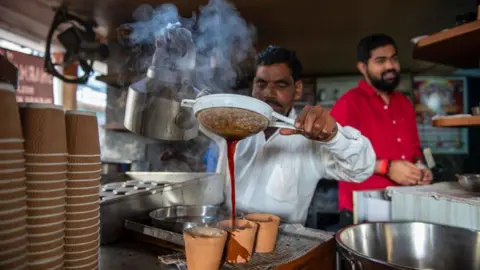
In the city center of Hazratganj, large gatherings start assembling from 5 am at a famous tea stall to get a piping hot cup of milky masala chai, served in clay glasses, along with fluffy buns lathered with freshly churned white butter.
In the morning, one can visit a unpretentious joint located in the historic quarter of Aminabad. Nearly 150 years after it was established, the place is still much sought-after for its freshly fried kachoris (fried bread stuffed with lentils) and jalebis (crispy, syrup-soaked sweets).
Preserving Tradition for the Future
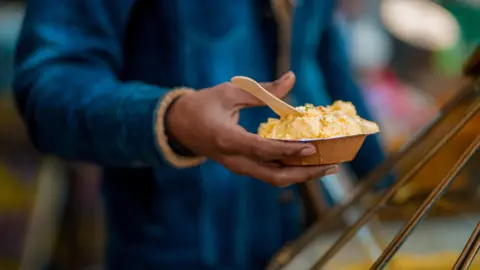
The city also presents remarkable treats of the season, such as makkhan malai, a frothy dessert found in the winter. The technique of making it is scientific and complicated. The vendor whisks the milk and then sets it out at night, allowing the nighttime moisture to give it its amazing airy feel.
On crisp mornings, street vendors can be seen in old city areas like Aminabad and Chowk. Some however express concern that their children are unwilling to master the craft.
A well-known culinary expert from Lucknow has often said that the city's profound food legacy puts it right on top of the Indian street food experience. The significant impact from the UNESCO recognition, however, will be realized only if Lucknow can now build recognition about its lesser-known eateries.
Every dish in Lucknow has a narrative – influenced by generational food businesses, from modest street carts to bustling restaurants, and secret family recipes.
The international acclaim, it is believed, will encourage more people worldwide to learn these stories and experience the city to delight in the gastronomic treasures of Lucknow.

Stephanie Williams
Data scientist with over a decade of experience in analytics and visualization, passionate about making complex data accessible.
Sponsored News
News
Top Small Screen Selections: 7 Can't-Miss Films This Coming Week
Stephanie Williams
03 Oct 2026

News
'We’re like a family here': Sunderland's midfielder celebrates good times at the Black Cats.
Stephanie Williams
03 Oct 2026
News
Paris Saint-Germain Defeats Olympique de Marseille via Spot-Kicks to Lift Trophee des Champions Super Cup in the Middle East.
Stephanie Williams
02 Oct 2026
News
The artist gives twenty-five thousand pounds Mercury Prize to independent music venues
Stephanie Williams
02 Oct 2026